
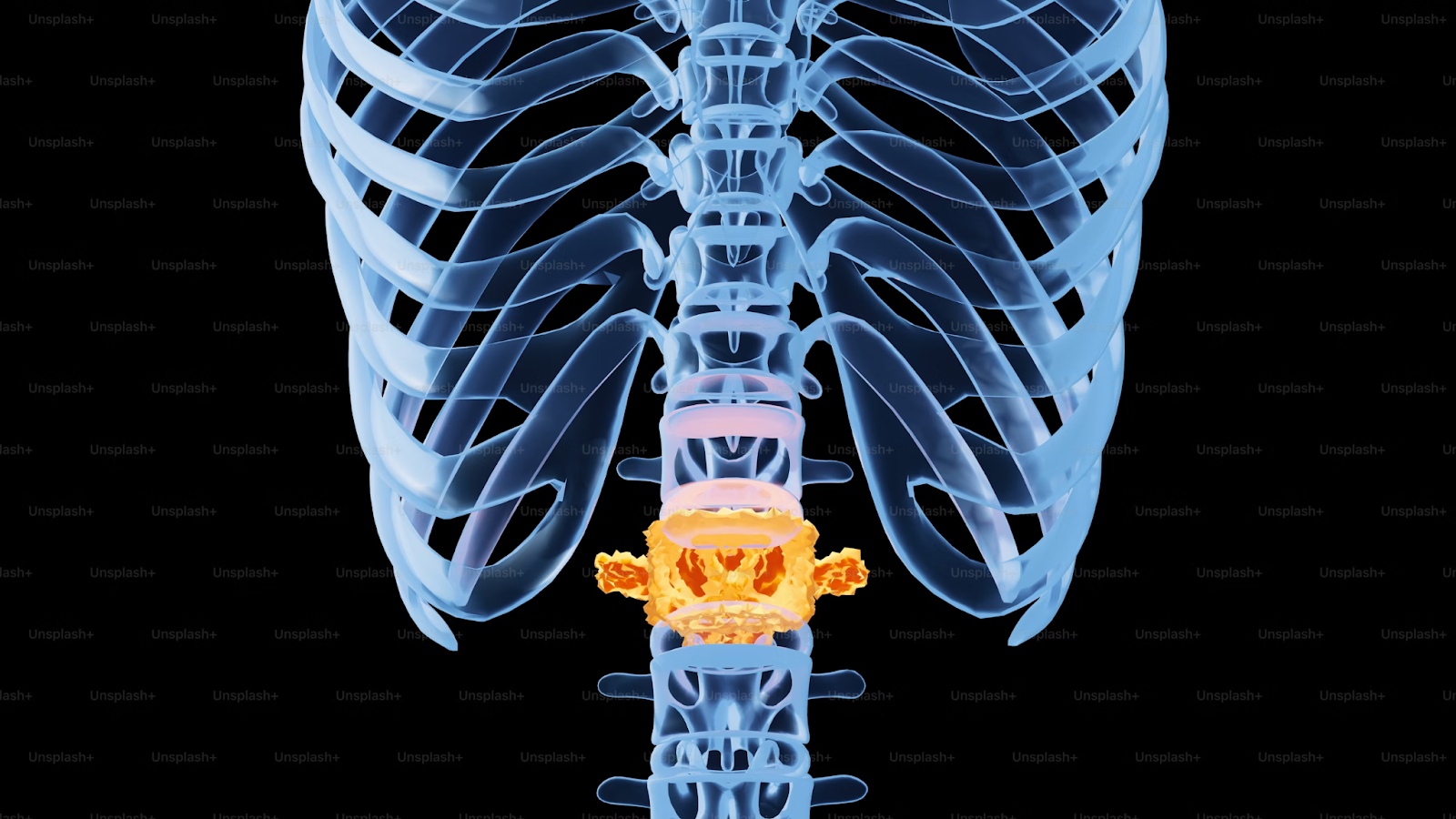
Each year, pain management doctors implement over 50,000 spinal cord stimulators in the United States for individuals struggling with chronic pain. A spinal cord stimulator is a small device implanted near the spine that uses electrical pulses to interrupt pain signals before they reach the brain.
This innovative treatment addresses complex conditions specifically for those who have not found relief through other methods. This blog provides practical insights for individuals considering a spinal cord stimulator or adapting to life with one.
Understanding Spinal Cord Stimulators
What Is It?
A spinal cord stimulator (SCS) is a medical device that specialists implant near the spine to prevent pain signals from reaching the brain. In addition to blocking pain signals, the stimulation can also trigger the release of natural pain-relieving chemicals in the body, helping to further alleviate discomfort.
Spinal cord stimulators are primarily used to manage chronic pain, especially in cases of failed back surgery syndrome, complex regional pain syndrome, or nerve damage.
The two main types of spinal cord stimulators are traditional and rechargeable. Traditional models rely on a non-rechargeable battery, typically requiring replacement every few years. Rechargeable models, however, offer the convenience of a longer-lasting battery that can be recharged at home. This reduces the need for frequent replacements and offers more flexibility for users.
Adjusting To Life With a Spinal Cord Stimulator
What Is the Initial Recovery Period?
After spinal cord stimulator implantation surgery, the initial recovery period typically lasts a few days to a few weeks. During this time, patients may experience mild discomfort, swelling, or bruising at the incision site. Some soreness around the area where the device is implanted is also common.
Ensure you follow your doctor’s post-operative instructions, including avoiding heavy lifting or strenuous activities so that proper healing can take place. You can manage discomfort with over-the-counter pain relievers, reduce swelling with ice packs, and prevent stiffness with gentle movement.
You may also be advised to wear a back brace for additional support. Although many individuals find that the majority of the discomfort subsides within the first few weeks, make sure you communicate with your healthcare provider if the pain persists or worsens.
How Do You Learn the Device?
For those who are adapting to life with a spinal cord stimulator, learning how to use the remote control is crucial. The remote allows users to adjust the intensity of the electrical pulses, turn the device on or off, and even program settings for their specific pain relief needs.
Start by experimenting with different settings to gradually find the level of stimulation that provides you with the most comfort. Some devices also have multiple preset programs, which can be switched depending on the activity or time of day.
To find the most effective pain relief, listen to your body, and adjust the intensity settings accordingly. Make sure to keep a journal of the intensity levels and how they correlate with your pain relief. If you are hesitant about doing this on your own, your healthcare provider can work with you to ensure you get the most relief out of your spinal cord stimulator.
Is There an Emotional Adjustment Period?
A spinal cord stimulator is a significant part of the chronic pain recovery process, which can come with emotional hurdles. Many individuals may experience concerns about the device’s appearance, the idea of living with an implanted device, or the potential stigma surrounding medical implants.
The goal of the device is to improve quality of life by managing chronic pain, and for many, it becomes a life-changing solution. However, if you are struggling with the device, be sure to talk openly with healthcare providers, family members, or support groups so that you can overcome any emotional challenges.
Having a spinal cord stimulator is a common and legitimate treatment option for chronic pain, which can ease feelings of self-consciousness or embarrassment. Over time, many individuals find that the positive impact on their pain and overall well-being outweighs any concerns about the device itself.
What Are Some Common Challenges and Solutions?
How Do You Adapt to Sensations?
When first using a spinal cord stimulator, many individuals may experience a tingling or buzzing sensation. This is a common response as the electrical impulses interact with the nerves, and it often feels like a gentle vibration or “pins and needles.”
Over time, users typically become more accustomed to the feeling, and many find it becomes less noticeable as they experience greater pain relief. Regularly adjusting the stimulation levels based on daily activities or pain intensity is key to managing the device effectively.
Are There Device Malfunctions?
While spinal cord stimulators are generally reliable, users may occasionally encounter device malfunctions. Common issues include a loss of stimulation, reduced effectiveness, or feeling unusual discomfort or pain.
If any of these problems arise, check the device’s settings using the remote control to ensure everything is configured correctly. If the issue persists, check the battery level or consider the possibility of a dislodged lead or a malfunctioning device. In such cases, contact your healthcare provider as soon as possible. Your healthcare provider can perform diagnostic tests to identify the cause of the issue and make adjustments, or if necessary, recommend further interventions.
How Can You Manage Expectations?
Managing expectations when using a spinal cord stimulator is vital, as pain reduction can vary significantly from person to person. While many users experience substantial relief, the device may not completely eliminate pain for everyone.
Some individuals may experience a noticeable decrease in pain levels, while others may find that it only makes their pain manageable. It takes time to find the right settings and fully adjust to the device’s effects.
Ensure you are patient and maintain a realistic outlook. While the SCS can be a powerful tool for pain management, it may be better to incorporate the device as part of a broader treatment plan that includes physical therapy, lifestyle changes, or medication.
Conclusion
Living with a spinal cord stimulator offers a transformative approach to managing chronic pain. While adjusting to the device may take time, understanding how it works, managing expectations, and working closely with your healthcare provider can help maximize its benefits.
For those considering a spinal cord stimulator or in the early stages of adaptation and needing pain relief, reach out to a local pain management specialist, like The Pain Healing Center, for more information on this device as well as pain management solutions.
The information provided on this website is for informational and educational purposes only and is not intended to be a substitute for professional medical advice, diagnosis, or treatment. Always seek the advice of your physician or other qualified healthcare provider with any questions you may have regarding a medical condition. Never disregard professional medical advice or delay in seeking it because of something you have read on this website.